

The landscape of international freight movement changes yearly. In 2026, battery safety regulations, which were previously classed as ‘strong recommendations’ from IATA (International Air Transport Association) and IMO (International Maritime Organization) have officially become mandatory by international law. You might have already noticed restrictions on carrying batteries on planes, with airlines such as Qantas and Jetstar banning the use of lithium battery power banks and limiting the capacity allowed in baggage in December.
These restrictions have also carried over to freight and cargo operations, meaning any business looking at importing or exporting anything with a battery, from an e-scooter to medical devices, will have to ensure they are following the newly updated regulations.
At Bullocks, we know how a simple oversight in documentation can lead to grounded goods. Below is what you need to know if you intend to import or export anything containing batteries in 2026.
New Mandatory ‘30% Charge’ Rule
Once a best practice recommendation, from January 1, 2026, it is now a requirement for not only standalone lithium-ion batteries but also batteries packed alongside equipment where the cells/batteries have a Watt-hour rating greater than 2.7 Wh or lithium-powered vehicles with a battery capacity exceeding 100 Wh to have a limit of 30% State of Charge (SoC). This requirement means that imported goods like power tools and e-scooters can no longer be shipped at full charge. This means that you will be responsible for ensuring that your product manufacturer and export partners are aware of these laws or face fines, cargo rejection or prosecution.
If you must ship an item with a battery state of charge above 30%, you will now require a formal state of origin approval. This can be a complicated permit process, and in this instance, the use of a qualified and experienced freight importer and exporter, such as Bullocks Freightmasters International, is recommended.
New UN Classifications for E-Mobility Devices
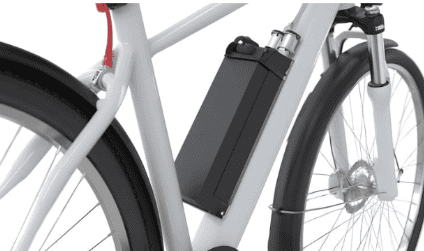
In order to improve fire-safety response times, there are now new specific UN numbers to replace the previously generic UN 3171 code that was on battery-powered vehicles. This means all new electric-powered vehicles (including e-scooters, e-bikes and electric cars) should now have one of the following codes.
- UN 3556 – Vehicles powered by lithium-ion batteries, such as electric cars, e-bikes and e-scooters.
- UN 3557: Vehicles powered by lithium-metal batteries.
- UN 3558: A new classification created for sodium-ion battery-powered vehicles.
Required Documentation for Transporting Batteries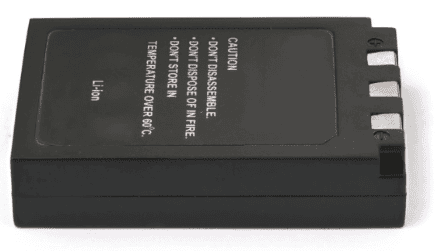
There is a list of required documentation you will need should you be importing or exporting batteries. This includes a
- Safety Data Sheet – which explains what chemicals are in your battery, making it easier for a fire to be put out. This must now reference the 2026 IATA 67th edition regulations.
- UN 38.3 Test Summary – This is proof that the battery has passed certain lab tests and must be accessible through a QR code or web link on your paperwork in case of an audit.
- Class 9 Hazard Label – The packaging is also required to display an updated Class 9 Hazard Label.
- SoC Declaration – Finally, you must also have a declaration that the battery is at no more than 30% charge.
If all of this information sounds daunting, Bullocks Freightmasters can work with you to ensure that every box is ticked and your goods can reach their end destination with as little fuss as possible.
New Sodium-Ion Batteries
2026 marks the entry of sodium-ion batteries in the global supply chain. Celebrated as being both a cheaper and lower risk battery solution compared to lithium, international regulators are still taking no risk when it comes to the transport of sodium-ion batteries. As of January 1, 2026, these batteries have now been integrated into the existing dangerous goods framework.
Even though they are safer—they can be discharged to zero volts without damage—they must still follow strict protocols. This includes displaying the Class 9 Hazard Label (renamed to “Lithium Ion or Sodium Ion Batteries”) and adhering to the 30% SoC limit. If you are shipping a mix of sodium and lithium products, the entire shipment must be regulated under the stricter lithium-ion classifications.
It is worth noting that should you be shipping a range of products containing both sodium and lithium batteries, the shipment should be regulated under the strict lithium-ion classifications.
How Bullocks Can Help You Import and Export Batteries or Products Containing Batteries in 2026.
As we move into 2026, the complexities and landscape surrounding international shipping grow more complex, requiring navigation of complex regulations when it comes to importing and exporting products. One minor oversight can result in your cargo being grounded, insurance being voided and you and your business facing large fines.
By partnering with an experienced specialist like Bullocks Freightmasters International, you ensure that every regulation is met. Our team works directly with you and your manufacturers to ensure compliance at the source, getting your shipment to its destination as seamlessly as possible.
Are you considering or looking to import or export batteries or products containing batteries? Talk to the Bullocks Freightmasters team today.